Customize Your Loan Terms with 12+ Free Student Loan Agreements

A quick overview of how these student loan agreement templates can help simplify your loan process.

Welcome to our collection of free student loan agreement templates! Need a student loan agreement that’s clear, reliable, and easy to use? You’re in the right place. Whether you’re lending money to a student or borrowing to fund your education, having the right paperwork matters. We’ve put together 12+ free student loan agreement templates that are not only legally sound but also simple to customize. From federal to private loans—even Parent PLUS and refinancing agreements—these MS Word templates come with clean layouts and cover pages, so you can handle the legal side of lending without the stress. Download, edit, and get your agreement ready in minutes—no legal jargon required.

Download a Free Student Loan Agreement Template Today!

Student loans don’t have to be confusing. With our free, ready-to-edit templates, you can create a clear and professional agreement in just minutes. Whether you’re a student looking for financial support or a lender wanting to outline repayment terms, these templates are designed to make the process simple and stress-free. Browse the collection, pick the one that fits your needs, and take the first step toward smarter student loan management—no legal expertise needed.

What is a Student Loan Agreement?

A student loan agreement is a formal document that outlines the terms and conditions of a loan provided to a student for educational purposes. It acts as a legal contract between the borrower (usually the student or their guardian) and the lender (which could be a financial institution, government body, or even a private individual).
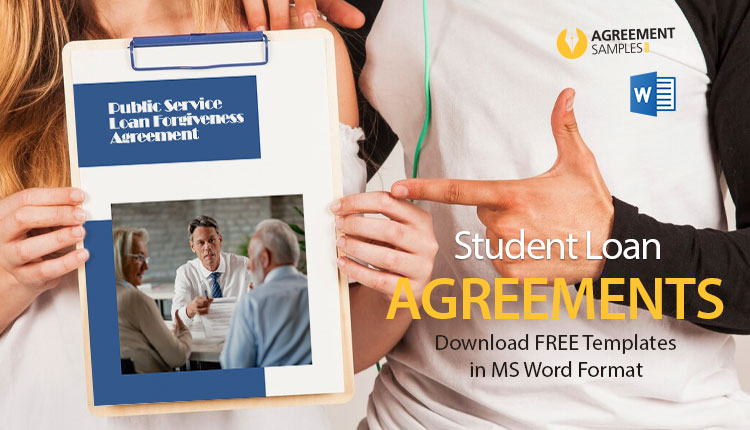
student-loan-agreements-in-ms-word-format

This agreement clearly defines important details such as:

  • The total loan amount
  • Interest rate (if any)
  • Repayment schedule and start date
  • Grace period (if applicable)
  • Borrower and lender responsibilities
  • What happens in case of late payments or defaults

Student loan agreements are essential because they help both parties understand their rights and obligations, reducing the chances of misunderstandings or legal issues later on. Whether it’s a federal, private, or personal student loan, having everything in writing provides clarity and legal protection for everyone involved.

01. Federal Direct Subsidized Loan Agreement

02. Federal Direct Unsubsidized Loan Agreement

03. Federal Perkins Loan Agreement

04. Federal Parent PLUS Loan Agreement

05. Federal Grad PLUS Loan Agreement

06. Private Student Loan Agreement

Who Needs These Agreements and Why?

Student signing a loan agreement with a parent and lender present, representing who needs student loan agreements and why.

Student loan agreements aren’t just for big banks or formal institutions—they’re essential for anyone involved in lending or borrowing money for education. Here’s who typically needs them and why:

  • Students
    • If you’re borrowing money to pay for tuition, books, housing, or other school-related expenses, a loan agreement protects you by clearly outlining the repayment terms, interest, and deadlines.
  • Parents or Guardians
    • When parents or guardians lend money to their children or take out Parent PLUS Loans, an agreement puts everything in writing. It keeps things professional—even in a family setting—and ensures that repayment expectations are clear.
  • Lenders and Institutions
    • Whether it’s a school, government agency, or private lender, anyone offering financial support needs an agreement to define responsibilities, repayment terms, and legal rights.
  • Private Individuals
    • If you’re helping a friend, relative, or student pay for their education out of pocket, an agreement makes sure the terms are understood by both sides.

In short, if money is being loaned for education, you need a written agreement. It’s a smart, simple way to stay protected and avoid future confusion.

07. Consolidation Loan Agreement

08. Refinancing Loan Agreement

09. Income-Driven Repayment Plan Agreement

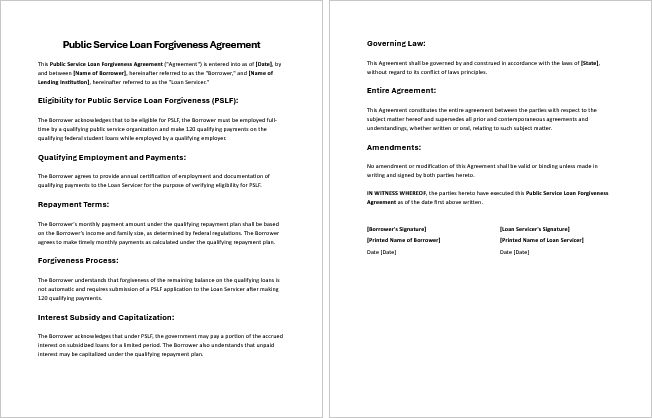
10. Public Service Loan Forgiveness Agreement

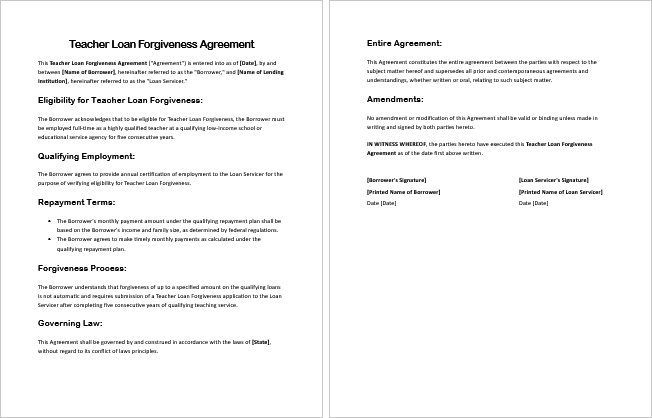
11. Teacher Loan Forgiveness Agreement

12. Loan Rehabilitation Agreement

Common Terms/Clauses in Student Loan Agreements

Student loan agreements usually include key terms that outline the details of the loan. Here are the most common ones:

Close-up of a student loan agreement document showing key terms and clauses like interest rate and repayment terms.
  • Loan Amount – The total money being borrowed.
  • Interest Rate – The percentage charged on the loan.
  • Repayment Schedule – When and how payments will be made.
  • Grace Period – Time allowed before payments begin.
  • Late Fees – Charges for missed or late payments.
  • Co-signer Info – Details of any co-signer (if required).
  • Default Terms – What happens if the borrower can’t pay?

These clauses help both the borrower and lender understand their responsibilities and stay legally protected.

Legal Tips & Common Mistakes to Avoid

  • Always put the agreement in writing – verbal promises won’t hold up legally.
  • Be clear about repayment terms – dates, amounts, and interest must be specific.
  • Don’t skip signatures – both parties should sign and keep a copy.
  • Avoid vague language – unclear terms can lead to disputes.
  • Check local laws – especially for private or personal loans.

A well-written agreement protects both sides.

Person reviewing a student loan agreement with notes and highlights, showing legal tips and common mistakes to avoid.

Frequently Asked Questions (FAQs)

Student reading a printed FAQ sheet about student loan agreements while researching on a laptop.

What is a student loan agreement?

It’s a legal document that outlines the terms of a loan given to a student, including the amount, repayment plan, and interest.

Are the templates legally valid?

Yes, they follow standard formats—but it’s best to have a legal expert review them based on your local laws.

Can I edit these for personal or family loans?

Yes! They’re fully customizable and great for private lending between individuals.

Do I need a co-signer?

Not for federal loans, but private lenders may require one if the borrower lacks credit history.

What happens after signing the agreement?

Both parties should keep a signed copy. Notarizing is optional but adds legal strength.

You may also like

follow-us-on-pinterest
follow-us-on-facebook