12+ Free Contractor Contracts to Boost Your Web Dev Game!
Discover free, customizable web development contractor agreements — designed to protect your work, streamline projects, and build stronger client relationships.
Are you about to dive into a new web development project, or maybe you want to give your existing online ventures a boost? If you’re all set to take your web endeavors to the next level, you’re in the right place. Our collection of free Web Development Independent Contractor Agreements is like your secret weapon for success.
Free Web Development Independent Contractor Agreements to Build Strong Partnerships
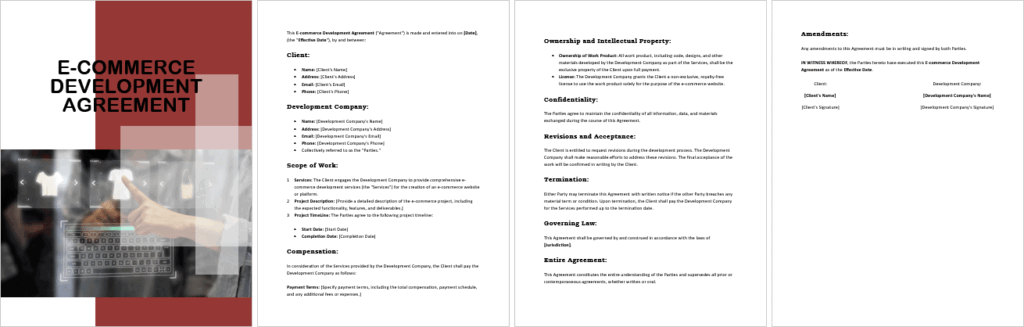
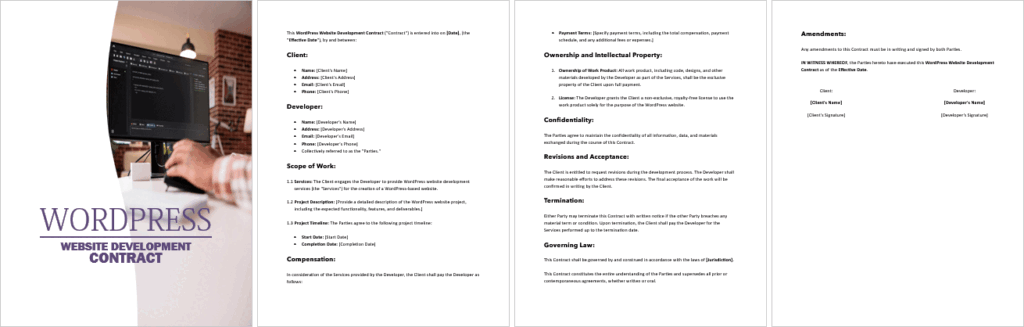
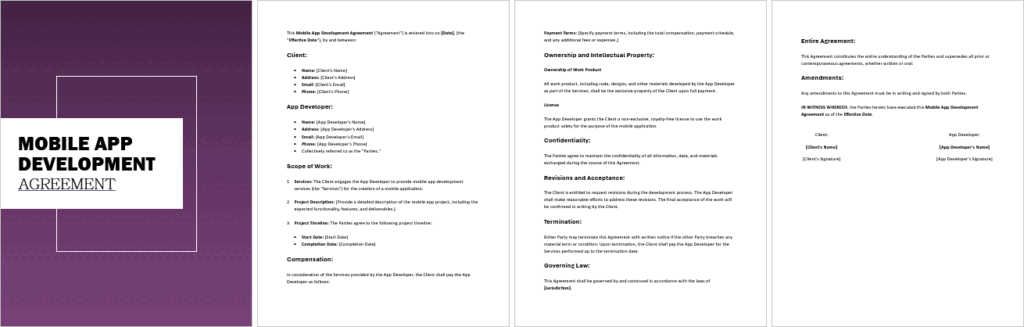
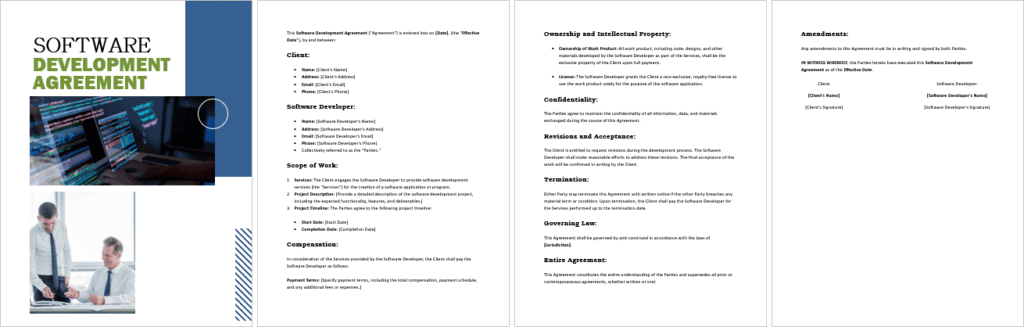
Ready to bring your web development dreams to life? These agreements are more than just documents; they’re essential guides that establish clear rules for successful partnerships. Don’t wait—elevate your web game today! Check out our free Web Development Independent Contractor Agreements in Microsoft Word, and unlock a world of web development opportunities. Your web dreams are closer than you think!
Freelance Web Development: Your Quick-Start Guide
Prepare: Build your skills, set up your business, and gather essential tools.
Portfolio: Showcase your best work to stand out online.
Attract Clients: Use branding, social media, and freelance platforms to draw clients in.
Navigate Challenges: Master time management, set fair rates, and maintain work-life balance.
Start your freelance journey today—your path to independence begins here!
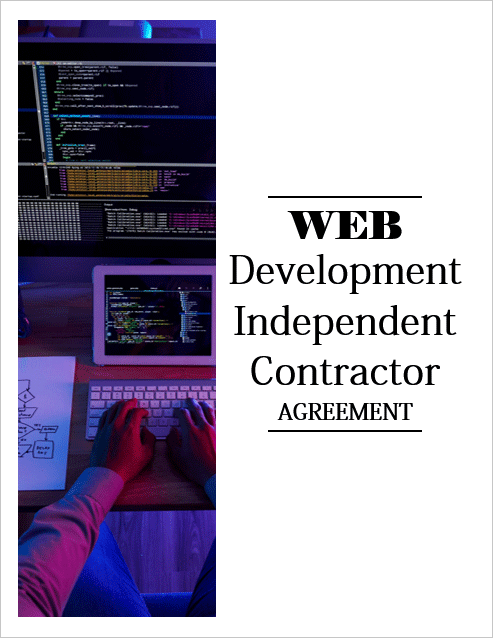
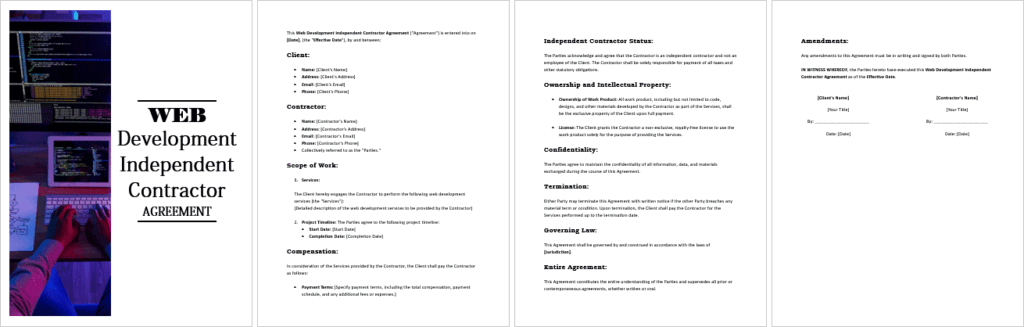
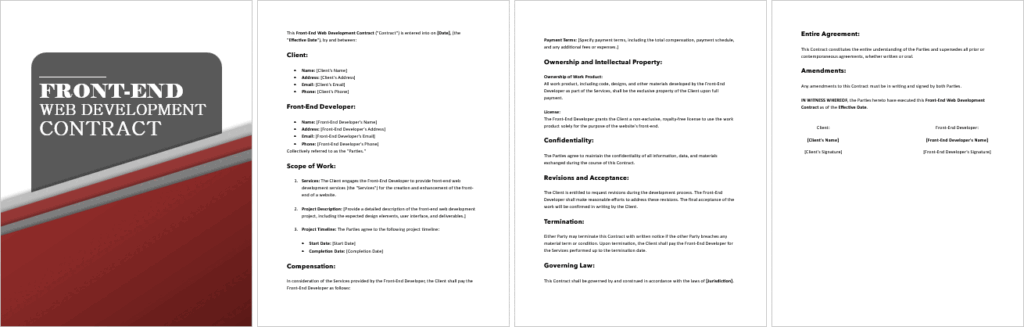
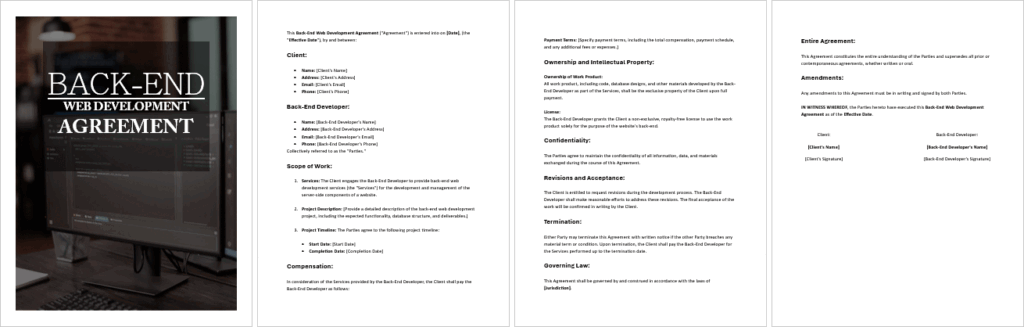
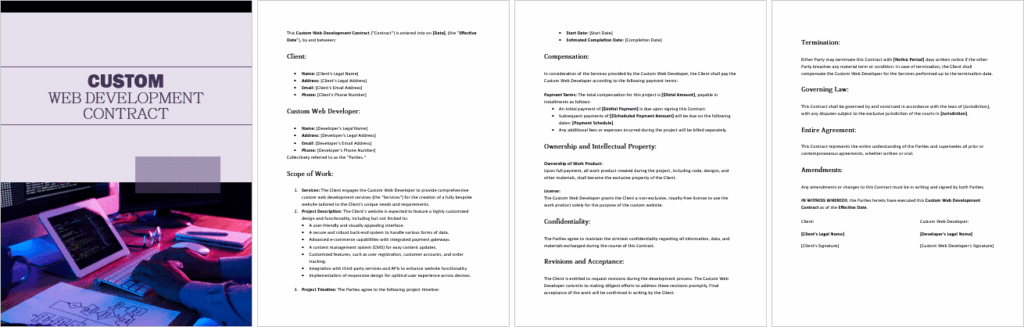
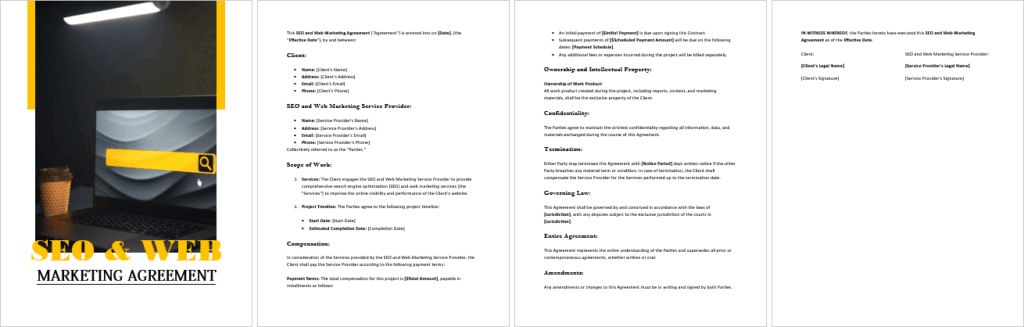
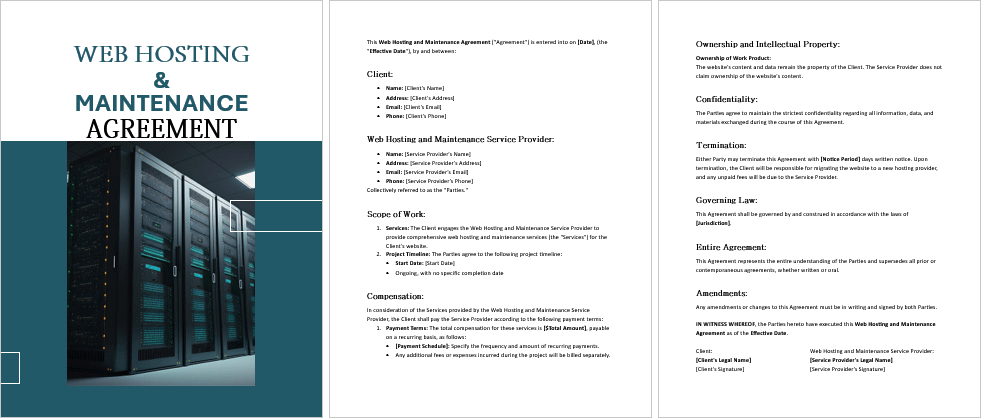
01. Standard Web Development Independent Contractor Agreement
Customizing your contract makes it fit your exact project needs. Here’s how to do it:
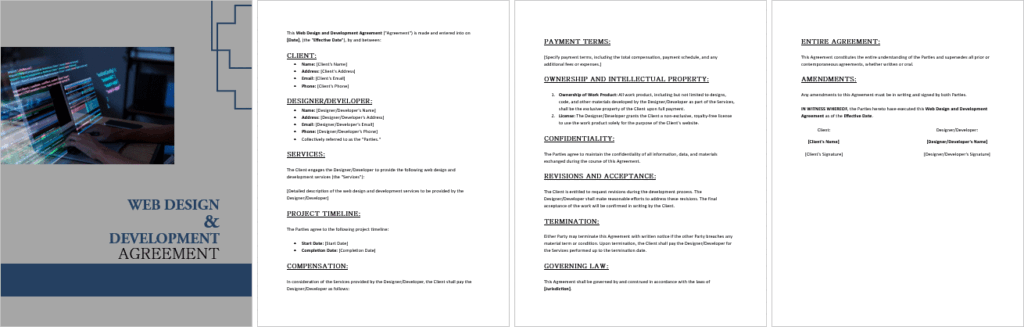
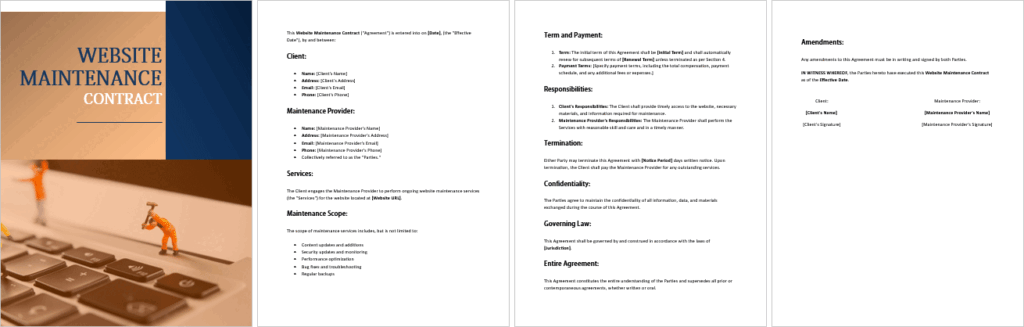
Choose a template – Pick one that matches your project (new build, redesign, or maintenance).
Add party details – Include full names, addresses, and contacts.
Define scope & deliverables – List what’s included (pages, features) and what’s not.
Set timeline & payments – Add deadlines, milestones, fees, and due dates.
Clarify ownership – Decide who owns the code/design after payment.
Add revisions & changes – State how many edits are allowed and how extras are handled.
Cover confidentiality & disputes – Protect sensitive info and agree on how to resolve conflicts.
Keep it simple and clear—this avoids disputes and builds trust.
Frequently Asked Questions (FAQs)
What is a web development independent contractor agreement?
It’s a legal contract between a client and a freelance web developer that defines the scope of work, payment terms, and responsibilities of each party.
Why do I need a web development contract?
A contract protects both sides by preventing misunderstandings, clarifying deliverables, and ensuring payment terms are clear.
Who owns the website once the project is complete?
Ownership terms are defined in the contract. In most cases, the client owns the final website and code once full payment has been made.
Can I edit these agreement templates to fit my project?
Yes. The templates are customizable—you can adjust scope, payment terms, timelines, and legal clauses to suit your needs.
Do I need a lawyer to review my contract?
While the templates are a great starting point, it’s always wise to have a lawyer review the agreement if the project is high-value or long-term.